Barrier Repair 2.0: Why "Less is More" is the New Standard in Clinical Skincare
For the past decade, the skincare industry was obsessed with "more"—more acids, more peeling, more steps. But in 2026, the pendulum has swung. We have entered the era of Barrier Repair 2.0.
Driven by a rise in sensitized skin (often caused by the overuse of actives), consumers are abandoning 10-step routines in favor of "Skinimalism." They want products that rebuild, protect, and soothe.
At TRUEDERM, we define this not as a trend, but as a return to biological sanity. For brand owners, this shift represents a golden opportunity to manufacture high-value, clinically proven formulations that prioritize long-term skin health over temporary resurfacing.
What is the Skin Barrier and Why is it "Broken"?
The stratum corneum (the outermost layer of skin) functions like a brick-and-mortar wall.
- The Bricks: Corneocytes (skin cells).
- The Mortar: Lipids (Ceramides, Cholesterol, and Fatty Acids).
When this "mortar" is damaged by harsh cleansers or over-exfoliation, the wall cracks. Moisture escapes (Transepidermal Water Loss - TEWL), and irritants enter. Barrier Repair 2.0 is the science of rebuilding this mortar using biomimetic ingredients—ingredients that mimic the skin's natural structure.
The "Golden Ratio" of Ingredients
To manufacture a true Barrier Repair product in 2026, simply adding oil is not enough. The most effective formulations, which we develop at our GMP-certified facilities, use a precise ratio of lipids.
Key Ingredients for 2026:
- Ceramides (NP, AP, EOP): The glue that holds skin cells together. Essential for any repair cream.
- Panthenol (Vitamin B5): A powerhouse humectant that soothes inflammation instantly.
- Centella Asiatica (Cica): The hero ingredient for calming redness and supporting collagen synthesis.
- Squalane: A bio-identical oil that prevents moisture loss without clogging pores.
Comparison: Old School vs. Barrier Repair 2.0
For brands looking to update their product lines, understanding this shift is crucial.
|
Feature |
Old School Skincare (2015-2020) |
Barrier Repair 2.0 (2026 Standard) |
|
Philosophy |
"Exfoliate and Resurface" |
"Nourish and Protect" |
|
Key Routine |
10+ Steps (Layering) |
3-4 Steps (Skinimalism) |
|
Hero Ingredients |
High % Acids (AHA/BHA), Scrubs |
Ceramides, Peptides, Prebiotics |
|
Skin Feeling |
"Squeaky Clean" (Stripped) |
Plump, Hydrated, Cushioned |
|
Target Audience |
Acne/Anti-Aging focused |
Sensitive/Compromised Skin focused |
The Business Case for "Skinimalism"
"Less is more" doesn't mean less profit. In fact, barrier repair creams often command higher customer loyalty because they become "essential" daily staples.
According to a study in the Journal of Cosmetic Dermatology, restoring the skin barrier function significantly improves the efficacy of other anti-aging treatments. By offering a barrier-first product, you are not just selling a moisturizer; you are selling the foundation of all skincare efficacy.
Frequently Asked Questions
How do I know if my skin barrier is damaged?
Signs include redness, stinging upon product application, flakiness, and increased breakouts despite using acne treatments.
Can oily skin use barrier repair creams?
Absolutely. Oily skin is often dehydrated skin overcompensating with oil. A lightweight, ceramide-rich gel cream (which we can manufacture) balances oil production by repairing the barrier.
What is the ideal pH for a barrier repair product?
The skin's natural pH is slightly acidic (around 5.5). Barrier repair products must be pH-balanced to maintain the acid mantle and support a healthy microbiome.
Ready to create the "Essential" product in your customer's routine?
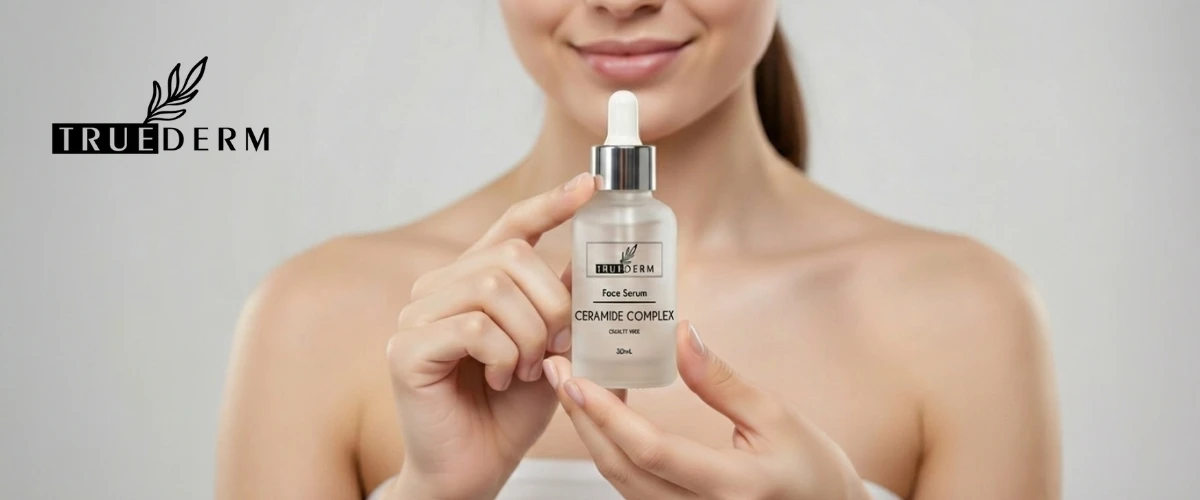
Don't just sell another cream; sell skin health. Speak directly with the DEL’LA SOFT production team to develop your own Ceramide-complex moisturizers and barrier serums in Turkey.
Visit www.dellasoft.net to request a quote and manufacturing timeline today.
DEL'LA SOFT is an ISO 22716 (GMP) certified cosmetic contract manufacturer based in Istanbul, specializing in premium hair care, beauty, and professional skincare solutions with a boutique 500-unit MOQ for UK, EU, and global brands. Our certified production infrastructure ensures full EC 1223/2009 and UK compliance for seamless market entry.